
About the Rotary Cancer Program
Fighting Cancer. Saving Lives. Restoring Hope.
The Rotary Cancer Program is committed to transforming cancer care in Uganda through awareness, early detection, access to treatment, development of specialised healthcare infrastructure and training of cancer-care professionals.
Who We Are
Established through the vision and collective commitment
The Rotary Cancer Program was established through the vision and collective commitment of Rotarians in Uganda to address the growing burden of cancer and improve access to quality cancer care.
What began as an ambitious vision in 2010 to establish a dedicated cancer treatment facility has evolved into a broader initiative focused on reducing the impact of cancer through community awareness, early detection, improved treatment services and the development of specialised healthcare capacity.
Working with healthcare institutions, corporate partners, government stakeholders, international organisations and communities, the programme continues to mobilise resources and partnerships towards a future where every Ugandan can access comprehensive, sustainable and affordable cancer care.
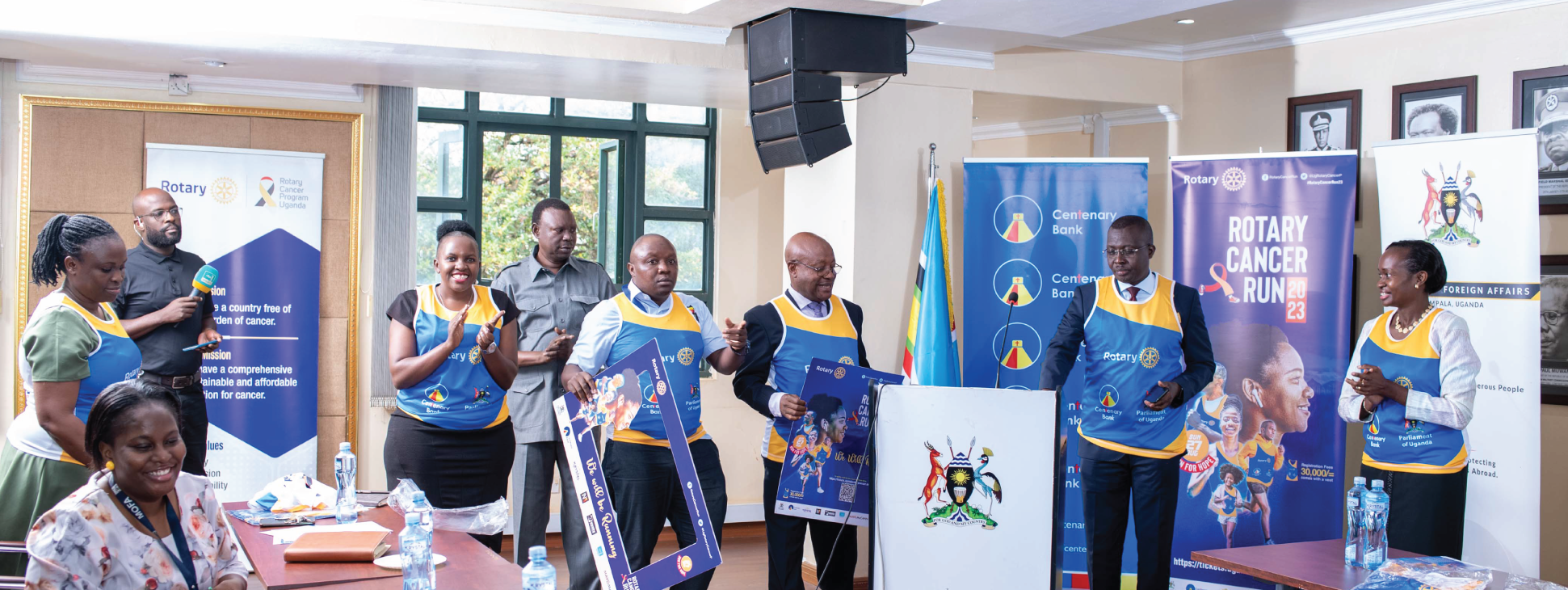
Through initiatives such as the annual Rotary Cancer Run, community medical camps, infrastructure development and professional training, the programme continues to bring together individuals and organisations in the fight against cancer.
We envision a nation where cancer no longer claims lives, early detection is accessible to all, and quality treatment is affordable and available to everyone in need. A future where research drives medical breakthroughs, cancer survivors can live without the fear of recurrence, and families are protected from the emotional and financial devastation associated with cancer.
To have a comprehensive, sustainable and affordable solution for cancer. We are committed to supporting an integrated approach to cancer care that brings together early detection programmes, accessible treatment facilities, research, patient support, preventive education and affordable treatment solutions. Through strategic partnerships, resource mobilisation and sustainable healthcare initiatives, we seek to strengthen cancer care services and improve outcomes for individuals, families and communities across Uganda.
The fight against cancer requires collective action, sustained investment and a shared commitment to improving healthcare. The Rotary Cancer Program remains dedicated to mobilising communities, strengthening partnerships and supporting initiatives that expand access to cancer awareness, early diagnosis, treatment infrastructure and specialised medical training.
Our Story
A Centre of Excellence that would save lives, reduce suffering and improve access to essential cancer services for thousands of Ugandans.
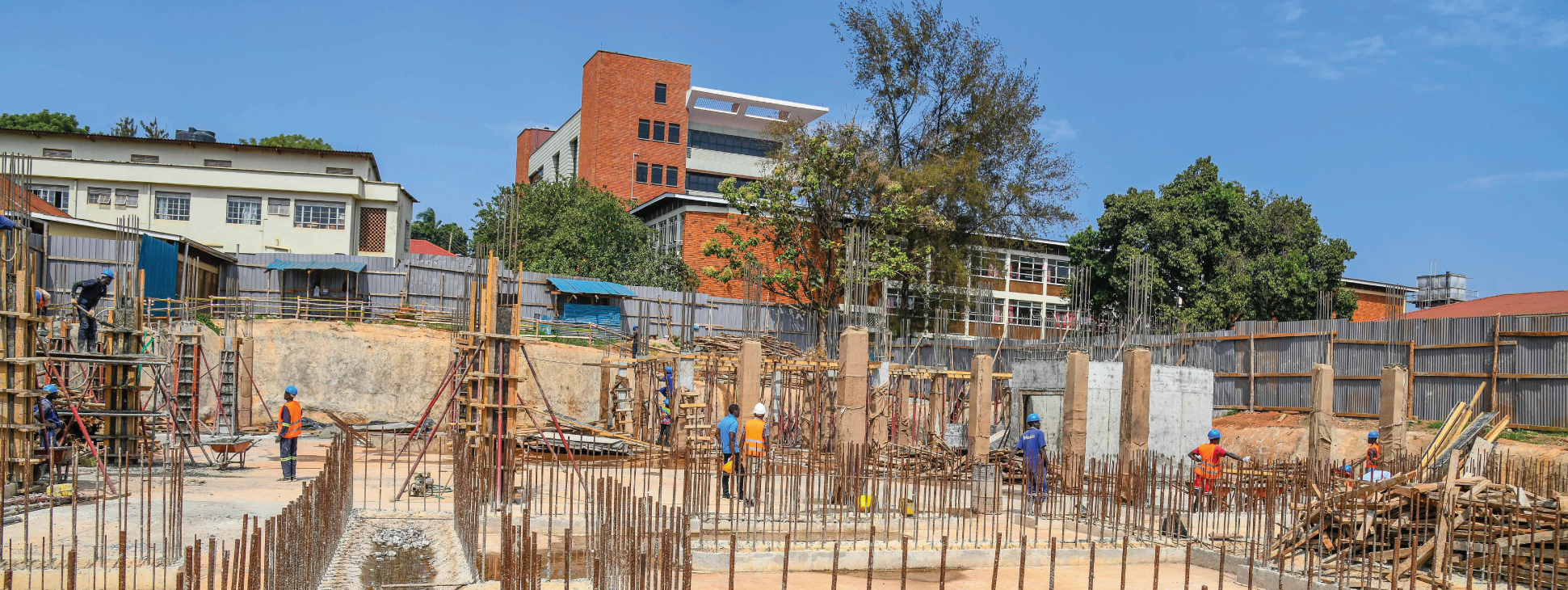
In 2010, inspired by the leadership of District Governor Stephen Mwanje, Rotarians in Uganda embarked on an ambitious mission to establish a dedicated cancer ward that would provide specialised treatment, early detection and compassionate care to people affected by cancer.
The vision was to create a Centre of Excellence that would save lives, reduce suffering and improve access to essential cancer services for thousands of Ugandans.
St. Francis Hospital Nsambya generously donated land for the project, paving the way for the groundbreaking ceremony on 22 April 2011, officiated by Rotary International President Ray Klinginsmith.
The initiative attracted support from partners including Centenary Bank, Crown Beverages Limited and AISPO of Italy, alongside the commitment of Rotarians and other well-wishers.
In August 2012, the Rotary Cancer Run was launched as the programme's primary awareness and fundraising initiative. Over the years, it has grown into a major community event, bringing together thousands of participants in support of improved cancer care.
Following four successful Cancer Runs, the completed cancer ward was officially handed over to Nsambya Hospital on 7 July 2015, marking a significant milestone in the programme's journey.
Through subsequent Global Grants, the programme supported the equipping of the cancer ward with medical equipment and the training of healthcare personnel through Vocational Training Teams.
Today, the programme continues to pursue its broader vision of developing specialised cancer treatment infrastructure and strengthening Uganda's capacity to prevent, diagnose and treat cancer.